4 posts tagged with "lora"

View All Tags

Ond’Expo 2026: A Real-World Connection Through Mesh Networking

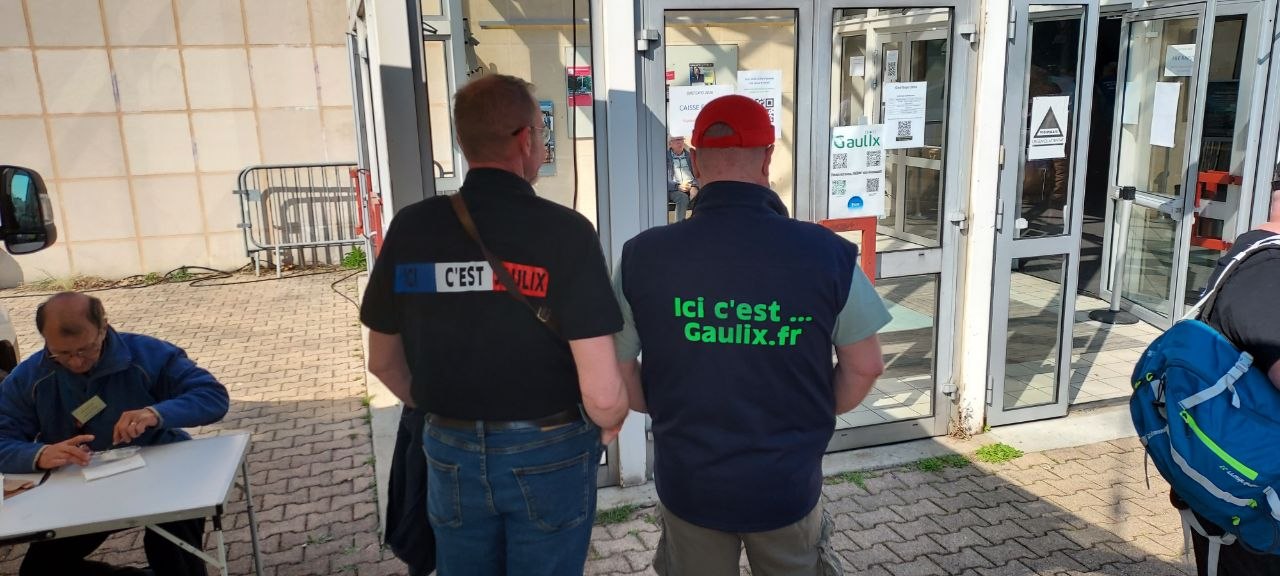
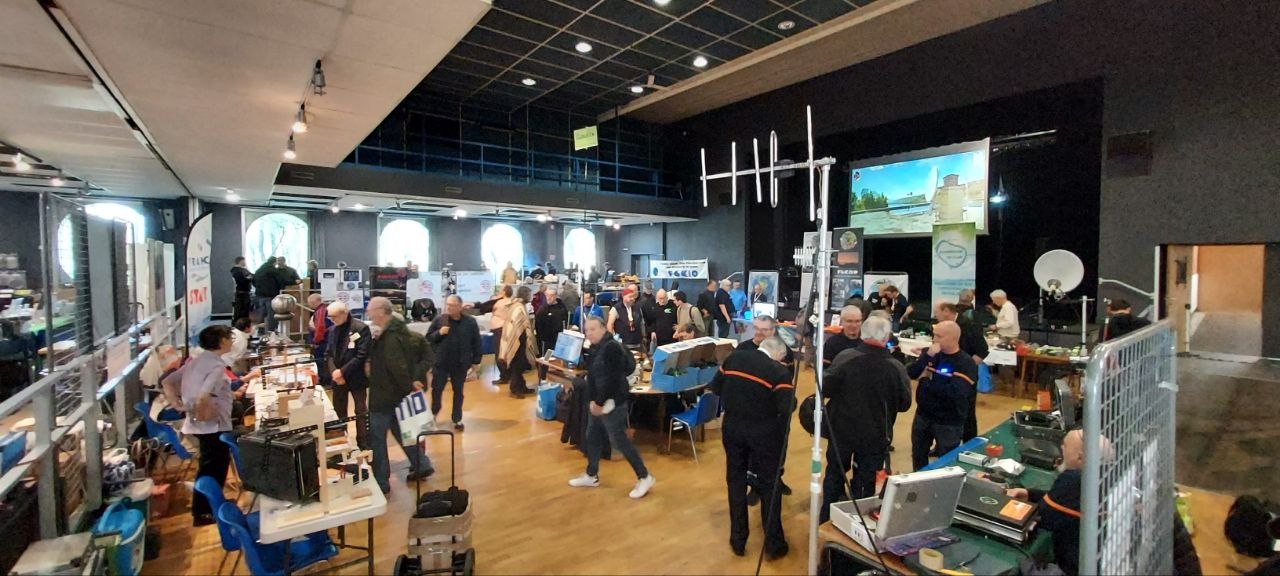
Before Ond’Expo 2026 officially opened its doors to the public, the venue was already abuzz with intense yet orderly preparations. The team from the Lyon Radio Club (F8KLY) warmly welcomed all participants, while volunteers swiftly dove into their respective tasks to finalize the setup of the exhibition booths.

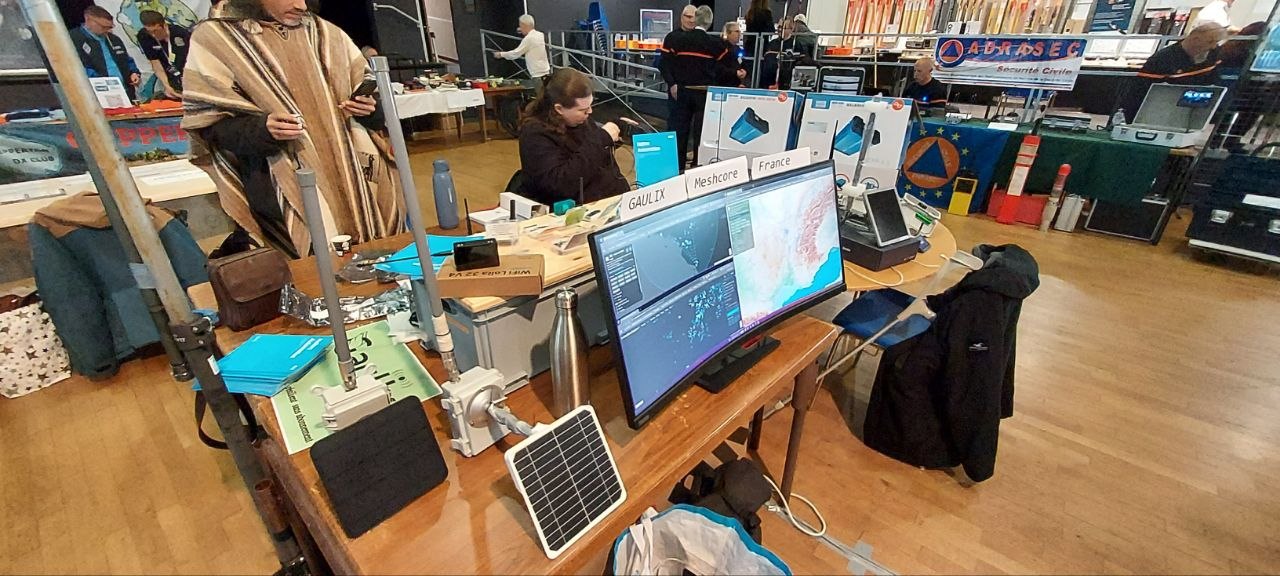
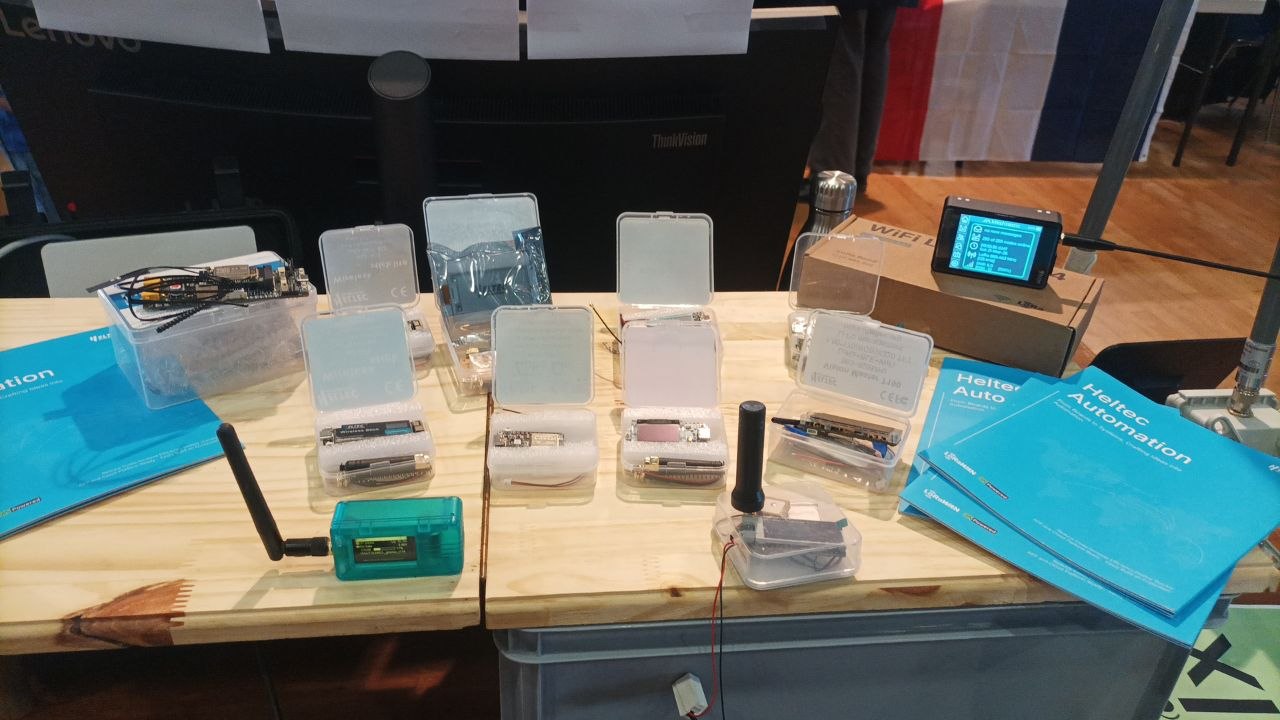
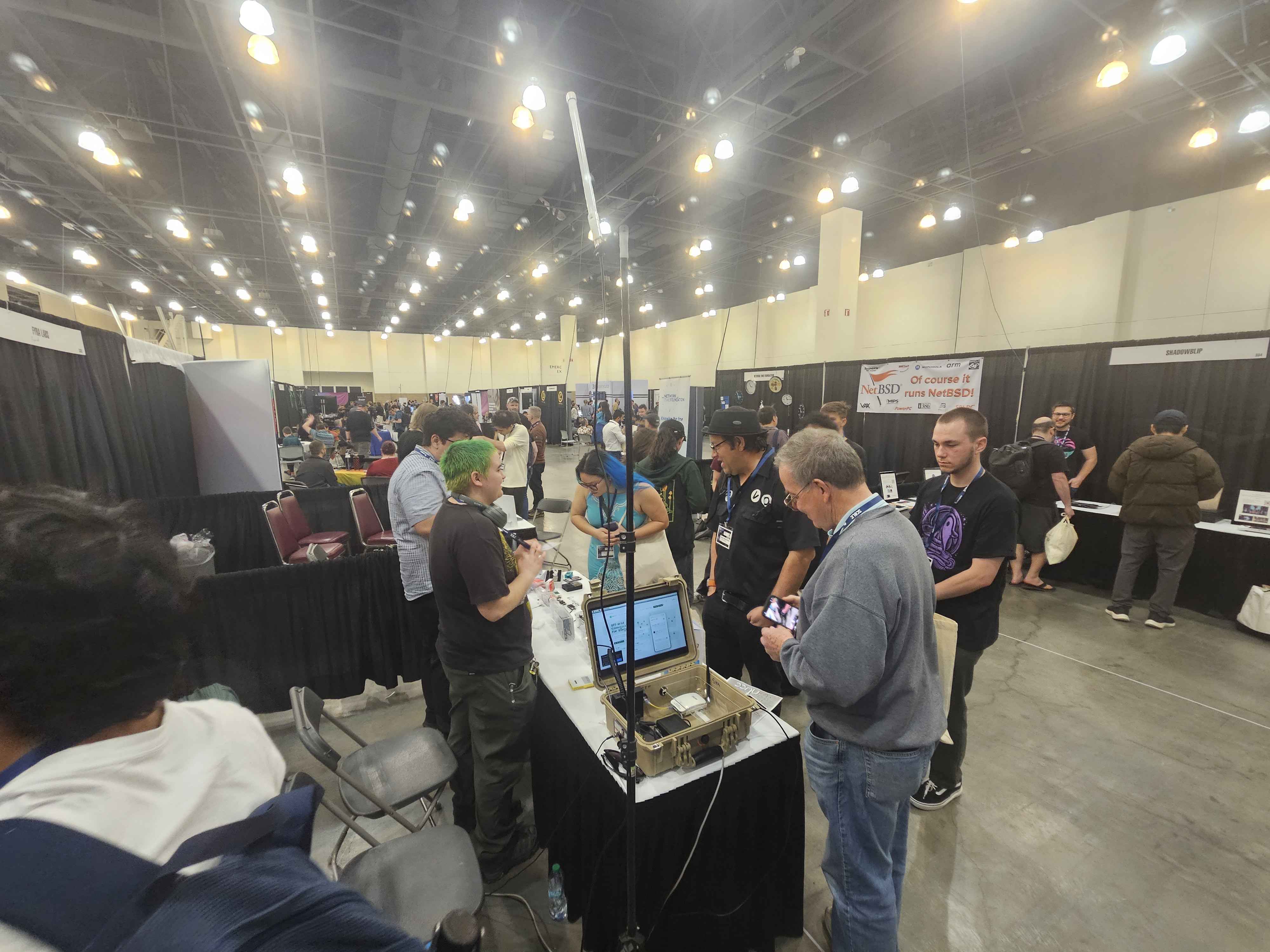
The Gaulix team’s booth was quickly brought to readiness. Equipment was progressively installed, and a network map was displayed on a screen, making the structure of the MeshCore network instantly clear. As team members continued to arrive, the pace on the floor gradually quickened, with everything falling into place for the imminent opening.

Once the exhibition opened its doors, a steady stream of visitors poured in. Veterans familiar with the Meshtastic ecosystem, newcomers eager to explore, and curious onlookers interested in LoRa communication constantly gathered in front of the booth. Questions, discussions, and demonstrations intertwined, keeping the entire booth in a state of high-energy activity throughout the day. Some visitors came seeking technical assistance; others wished to understand the differences between various devices and firmware; and some, encountering mesh networking for the very first time, sought to grasp the potential of this decentralized mode of communication.

Throughout the day, the Gaulix team provided continuous technical support and demonstrations: node flashing, parameter configuration, network debugging, and device installation. Every question was treated with seriousness, and every interaction became an opportunity to share knowledge. Amidst a relaxed and open atmosphere, technology ceased to be merely a tool; instead, it became a bridge connecting people.

Meanwhile, MeshCore technology emerged as one of the focal points of the event. Through intuitive demonstrations and explanations, the team showcased the practical application possibilities of this technology to the audience; its potential for rapid development also sparked widespread interest. After experiencing it firsthand, many visitors began to consider how they might introduce mesh networking into their own communities or projects.

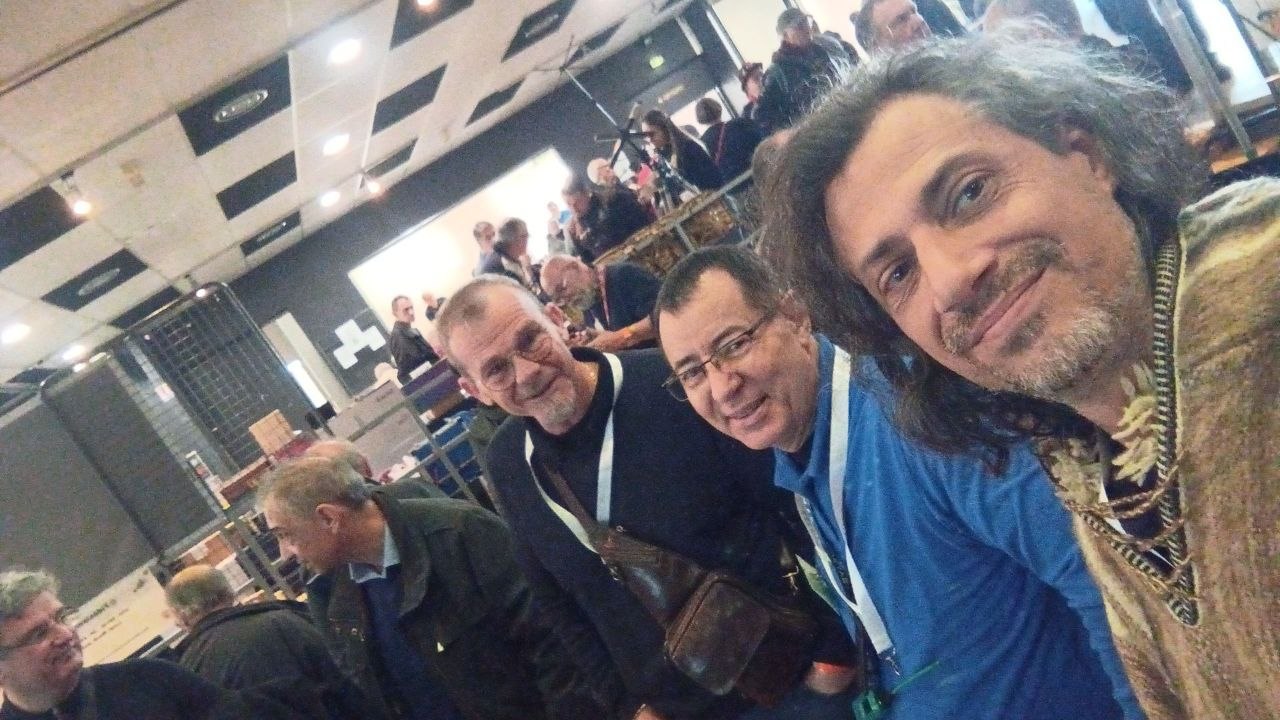
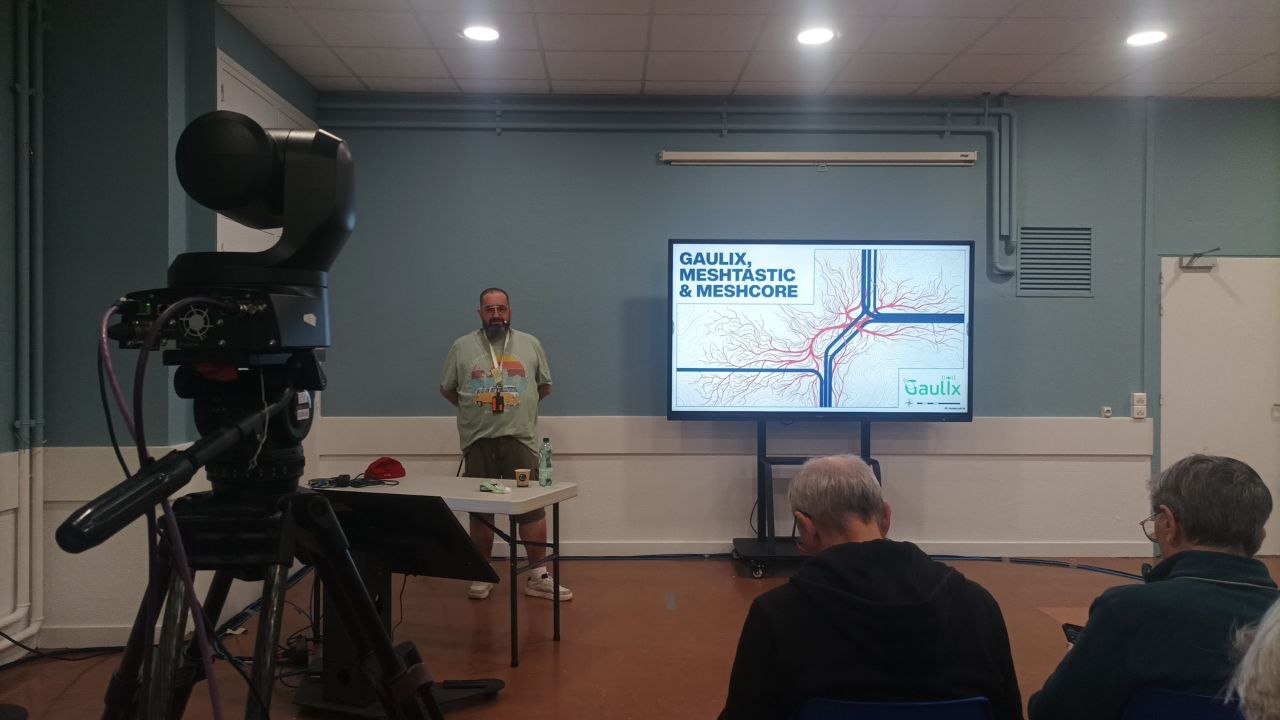
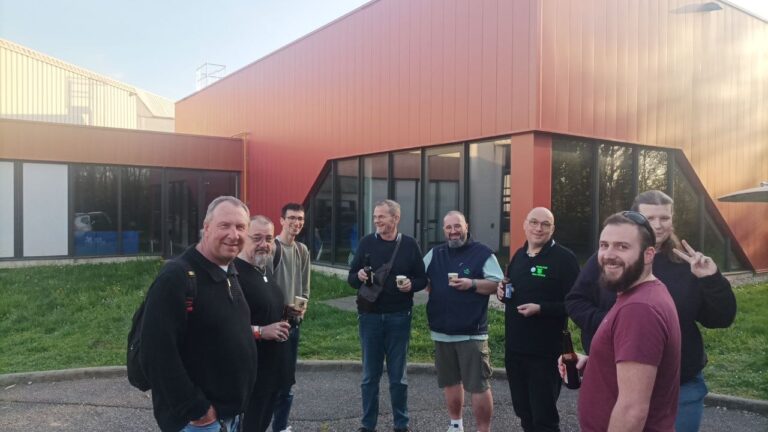
The exhibition was also punctuated by several memorable moments—from lighthearted and humorous interactions to high-quality technical presentations, and even an on-site prize raffle—ensuring the entire event maintained an excellent pace and a strong sense of engagement. In particular, when the technical lectures were simultaneously broadcast via online platforms, the event's influence extended far beyond the physical confines of the exhibition hall. As the exhibition drew to a close, the pace gradually slowed, yet the exchange of ideas continued unabated. Outside the exhibition hall, some team members continued their discussions—ranging from the day’s demonstrations to future project concepts, and from antenna design to network deployment—with every topic flowing naturally into the next. This exchange, extending well beyond the confines of the trade show, perhaps represents the truest embodiment of the community spirit.

Ond’Expo 2026 ultimately drew to a close amidst an atmosphere that was both fast-paced and immensely fulfilling. It was not merely a showcase of technology, but a practical exercise in connection, collaboration, and sharing. Through this event, Gaulix once again demonstrated that the true value of a Mesh network lies not solely in the act of communication itself, but—more importantly—in the power of the community it inspires.

Heltec Wireless Tracker v2 – nRF

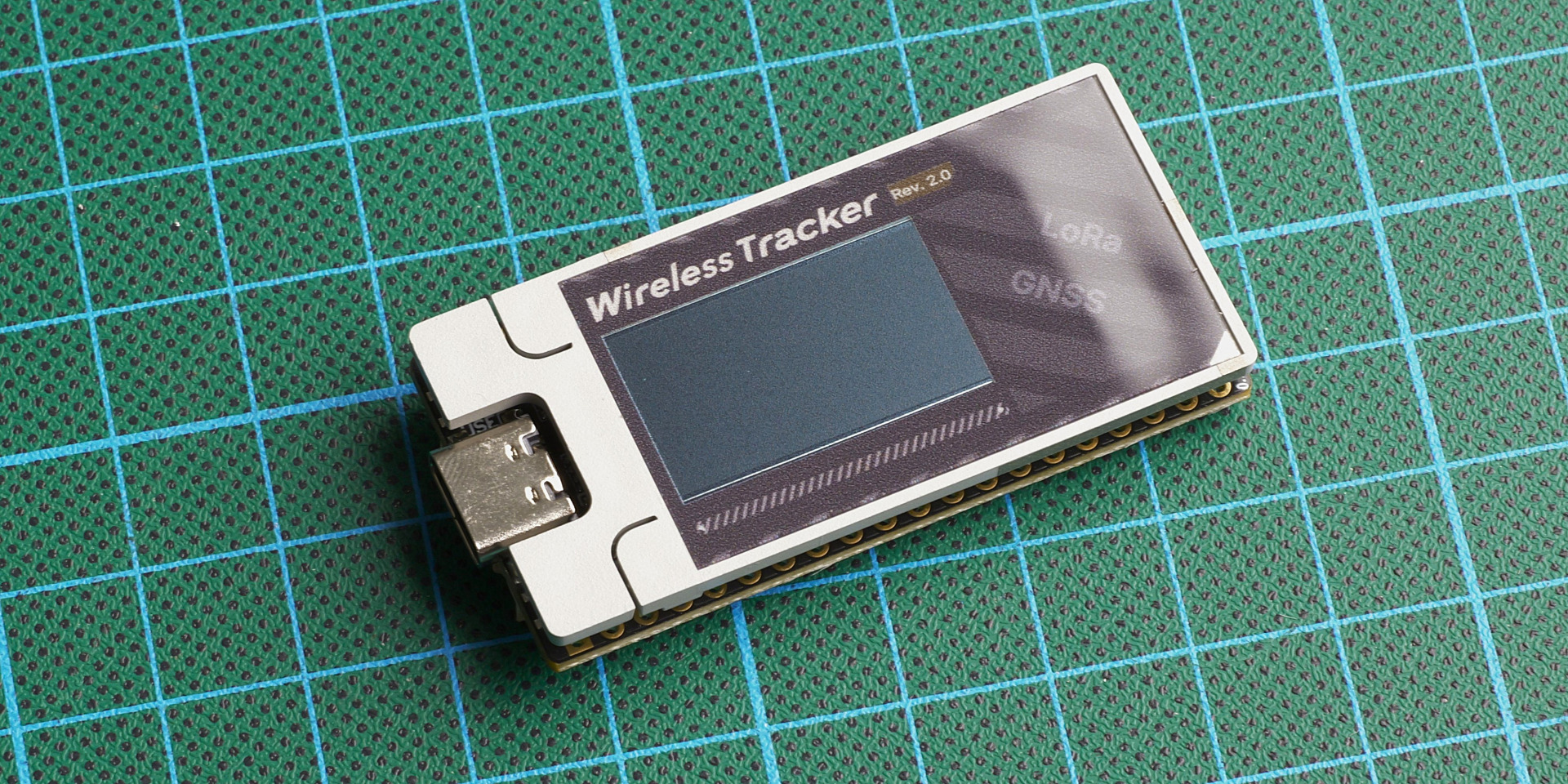
What can the Heltec Wireless Tracker v2 be used for ? In situations of disruption (unavailable cellular network, infrastructure overload, loss of coordination), the main problem is not just communication, but knowing the whereabouts of family members, friends, or clans. A LoRa/Meshtastic tracker provides a simple solution to this need: it allows for a basic awareness of location, without relying on a mobile network operator .

In practical terms, it becomes a distributed coordination tool . A group can track the movements of its members, visualize relative positions (azimuth), identify delays, deviations from the trajectory, or when a regrouping point has been reached . Whereas voice radio requires being available at the right time and manually plotting the position on a paper map, the tracker sends very precise and regularly updated information to the local Meshtastic network on your private channel.

It also makes perfect sense in a context of retreat and mobility. During a move to a safe location, or within a multi-site strategy (plans A, B, C), it allows confirmation that an individual or team has indeed reached a given area, without the need for lengthy or energy-intensive exchanges. This is particularly relevant if communications must remain brief, discreet, or infrequent .

Discreet use: A tracker can be configured to transmit periodically without human intervention. In case of a problem (incident, loss of contact, immobilization), the last known position becomes usable information. It's not a miracle solution, but it's often the only data available when everything else has failed.

Finally, in a mesh network like Meshtastic, the tracker doesn't work alone. It relies on a lightweight infrastructure of fixed or mobile nodes to relay information. This enables the creation of a collaborative location capability that is inherently resilient because it is distributed and without a central point.

Ultimately, the value of a tracker in a resilience strategy is not technological. It is operational: reducing uncertainty about people's locations and maintaining a minimum level of coordination when traditional methods fail.

The Wireless Tracker v2 (nRF52840)

When Heltec Automation offered me the opportunity to test their new tracker in advance, I saw it as the perfect opportunity to move beyond simple “classic node” use and explore a much more specific role: that of a field tracker .

Testing a product before its release is always interesting. But here, the idea was mainly to go beyond the technical specifications: to understand how this type of node performs in real-world conditions, what it actually brings to the field… and above all, where its limitations lie.

So I accepted without much hesitation, with one question in mind: can this add value to our resilient preparations?

Feature

Energy balance

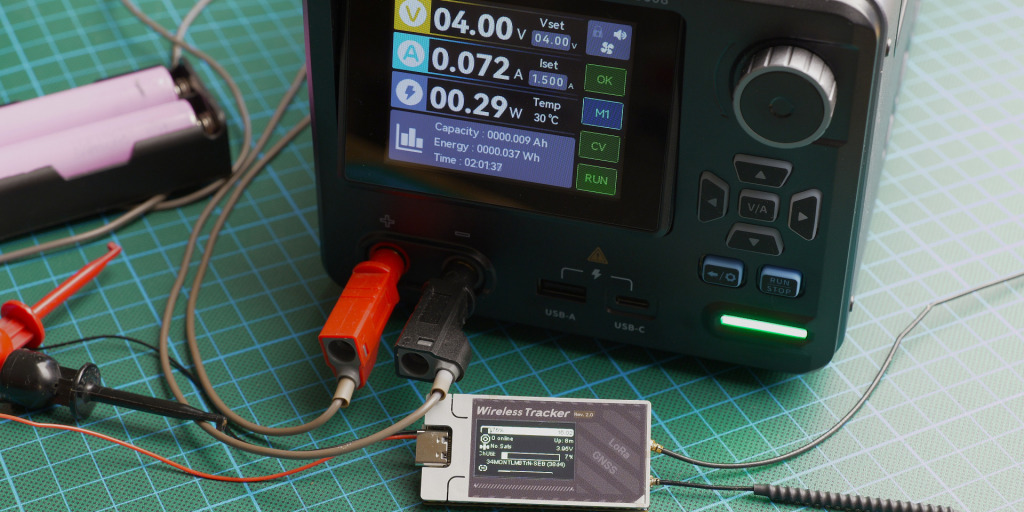
Measurement from scratch: 50 mA in standby/idle, 70 mA in current consumption and 850 to 950 mA at TX/Burst transmission.

A. Operational context of the test with the Meshtastic Client role:

Power supply: 2 × 18650 2600 mAh batteries in parallel.
Bluetooth: enabled.
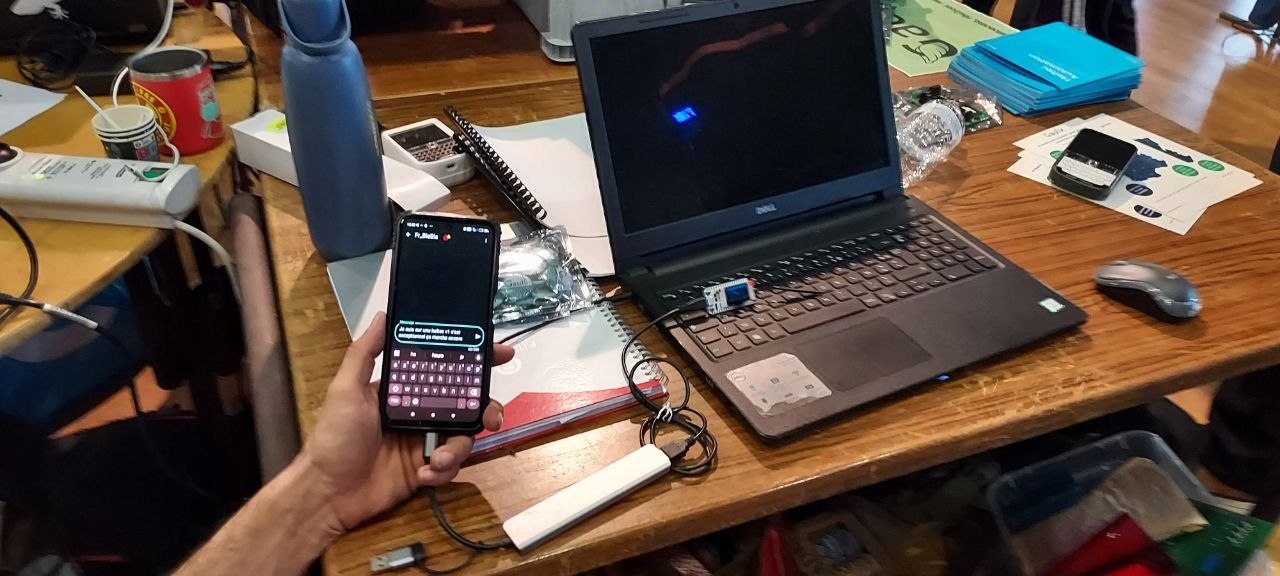
permanent exhibition at my local MQTT gateway ( Gaulix Canal Fr_Blabla ).
approximately ten BLE connections during the test period (12 hours).
approximately twenty LoRa TX messages were sent during the test period (12 hours).

note

The average consumption of the Client node over the period is 58 mAh

B. Operational context of the test with the Meshtastic Tracker role:

Power supply: 2 × 18650 2600 mAh batteries in parallel
Bluetooth: enabled
permanent exhibition at my local MQTT gateway ( Gaulix Canal Fr_Blabla )
approximately ten BLE connections during the test period (12 hours)
approximately five LoRa TX messages during the test period (12 hours)

note

The average power consumption of the tracker node over the period is 37 mAh

In terms of power

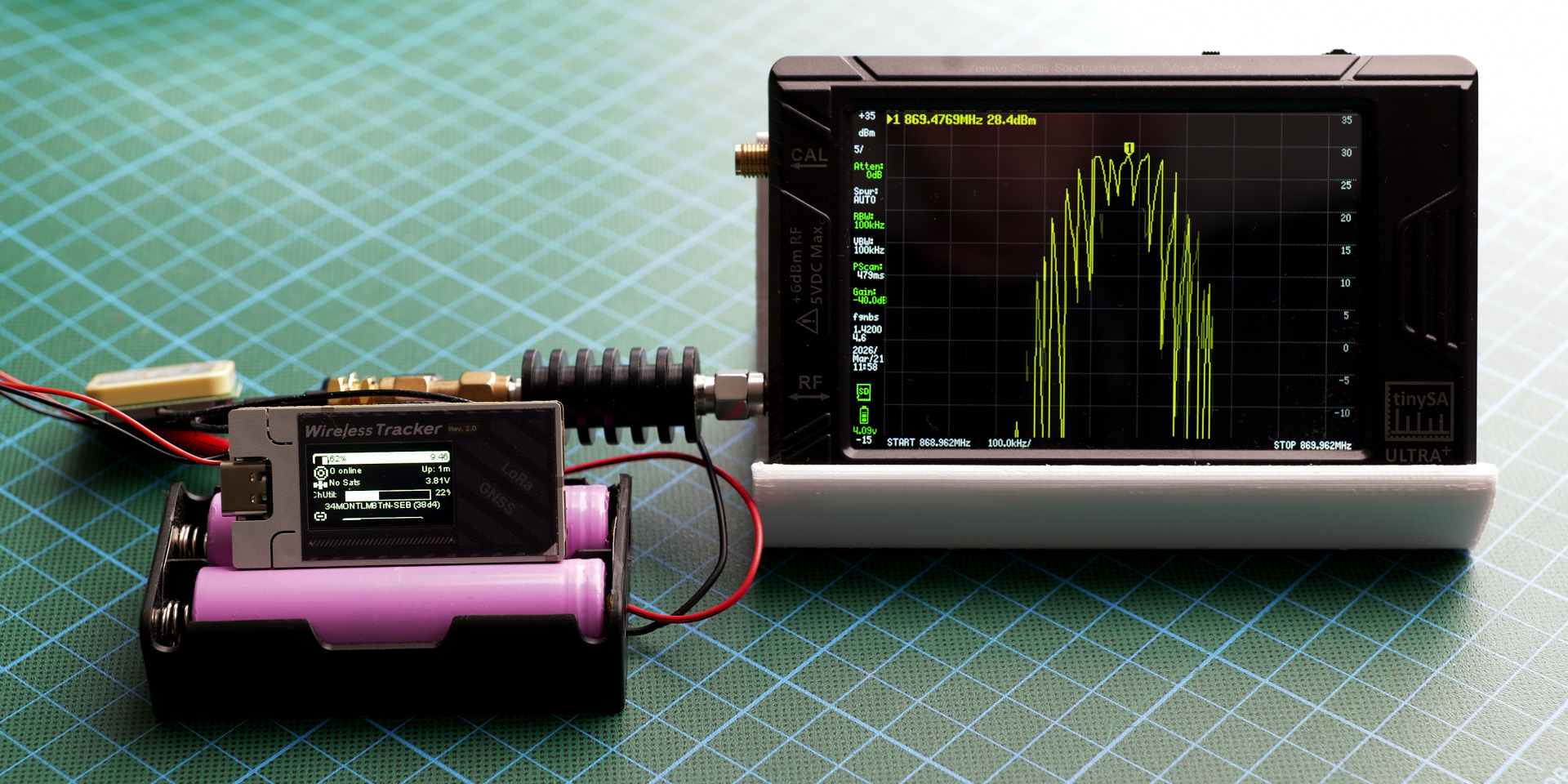
To measure the actual power output of the Heltec Wireless Tracker v2 (nRF52840) , I used a TinySA Ultra Plus spectrum analyzer with a 40 dB / 10 Wmax attenuator placed between the transmitter and the device to protect it from an excessively strong signal. The screenshot below shows a measured power of 28.4 dBm , with an accuracy of ±2 dBm. Considering the attenuator's actual calibration and the analyzer's margin of error, this measurement confirms that the advertised power level has been achieved .

Legislative reminders – Application to Meshtastic in the 869.4–869.65 MHz band

The region setting in Meshtastic is primarily used to adjust the frequency and duty cycle rules...

500 mW PAR = 27 dBm WORSE EIRP

This means that:

  • If your antenna has a gain of 2 dBi
  • And that your cable loses 0.5 dB
  • → Your output power module should be set to around 25.5 dBm

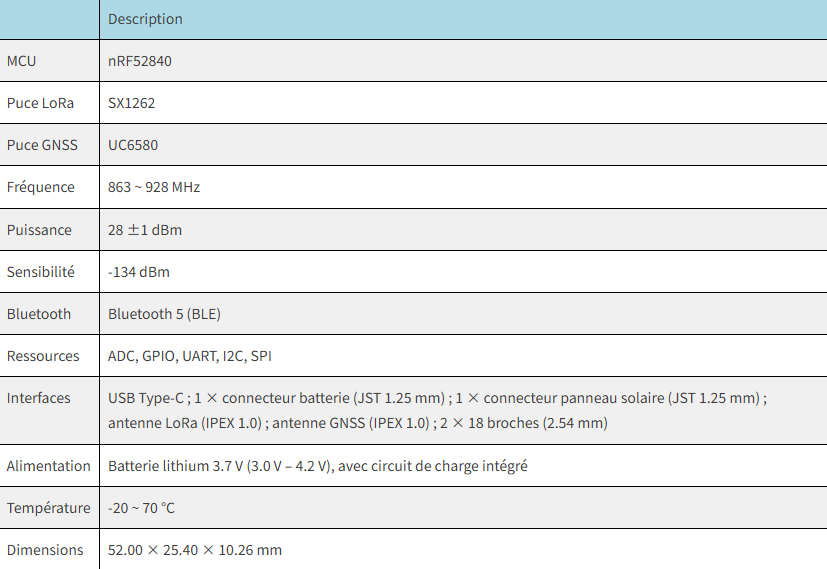
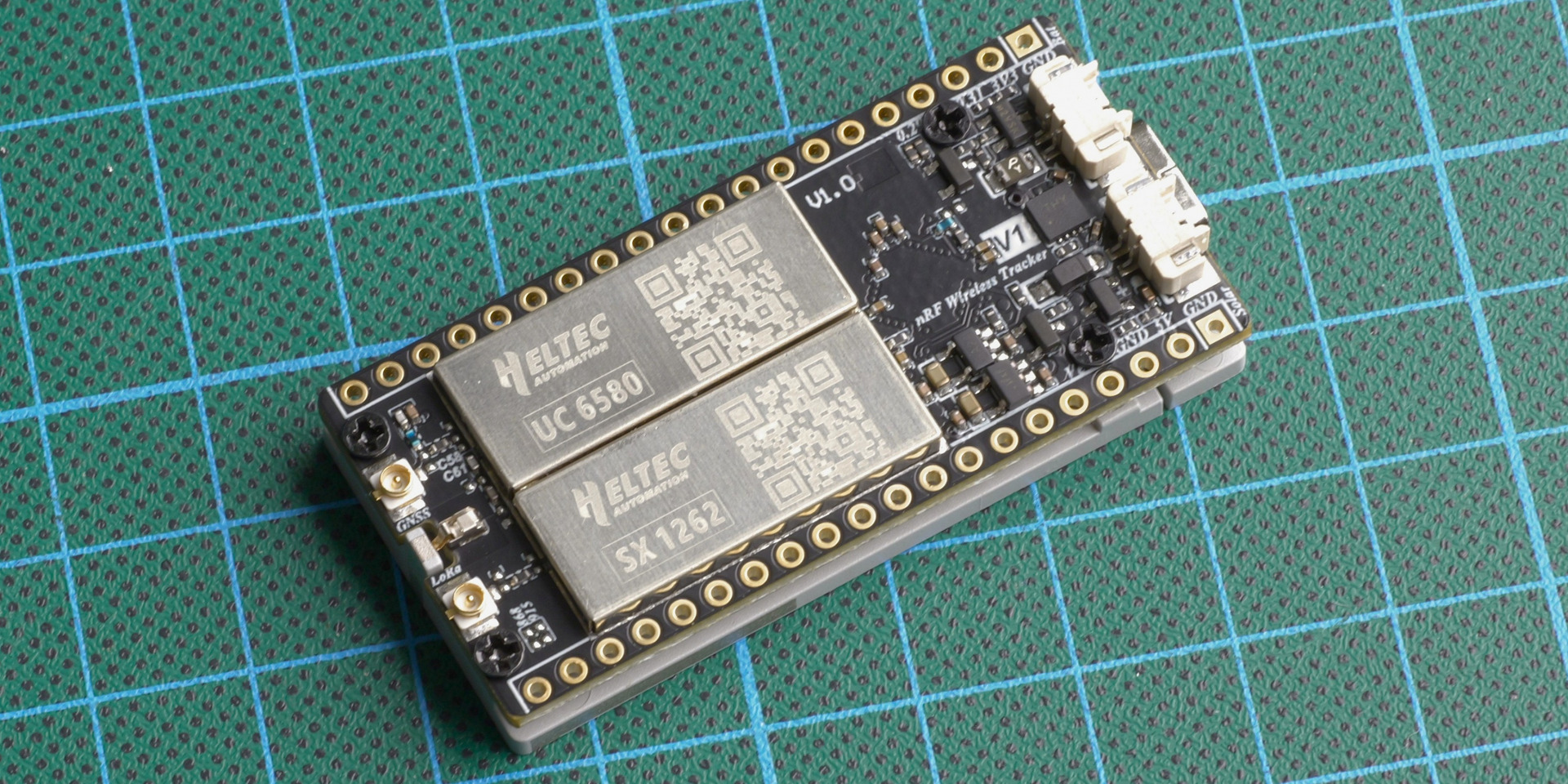
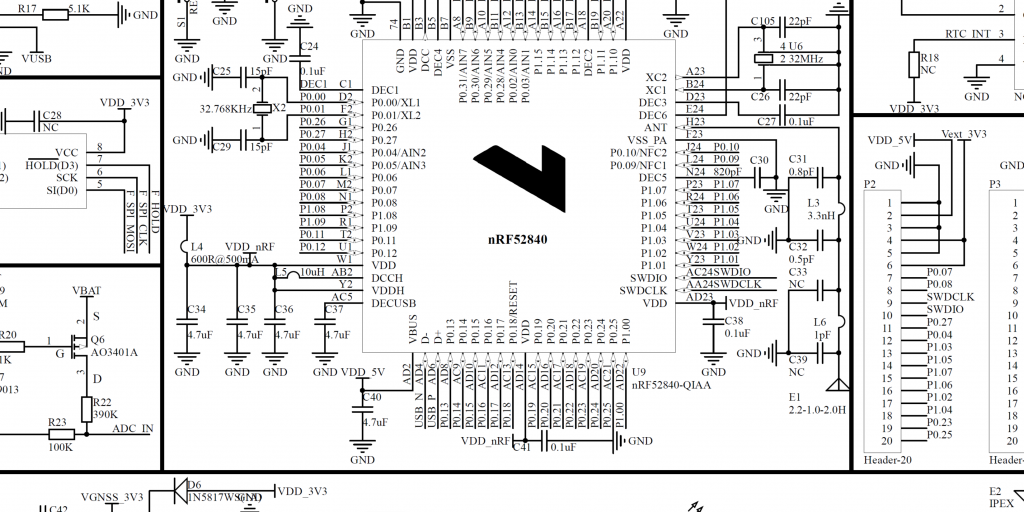
Following the mid-March launch of the ESP32-S3 version of the Wireless Tracker V2 , the next version will adopt an nRF52840 microcontroller, chosen to reduce power consumption while maintaining the same basic hardware architecture. LoRa communication relies on the SX1262 chip, accompanied by a KCT8103L amplifier front-end (PA/LNA) that stabilizes the signal and optimizes transmission and reception.

The UC6580 GNSS/GPS module provides positioning by utilizing multiple satellite constellations ( GPS, GLONASS, BeiDou, Galileo ), reducing positioning times and improving reliability in urban or wooded areas. Its optimized power consumption and intelligent sleep mode perfectly align with the nRF52840's design philosophy, ensuring that geolocation does not significantly impact the device's overall battery life.

Power management is handled by the CN3165 controller , which oversees the charging and powering of the battery and other components. The whole system forms a relatively coherent platform: a less power-hungry nRF52840 MCU, operational LoRa radio, active geolocation, and controlled battery life, all while remaining simple and robust in terms of hardware. However, the integration of this controller into the architecture is inherently limited to the use of a low-power solar panel (approximately 3 watts).

note

Note that even though the system can benefit from more advanced energy management by delegating control to an additional module ( such as an MPPT ), it's important to remember that this node is primarily designed for integrated tracking, for example in vehicles, where it will be highly autonomous. In standalone, autonomous use, its operation will remain dependent on the initial capacity of its battery.

🌿CN3165

A significant limitation of integrating the CN3165 into this type of node is the lack of intelligent power management. The circuit offers neither true load sharing (distribution between external power supply and battery) nor power path management. In practical terms, even with solar power available, the system relies directly on the battery to operate. Furthermore, unlike a more advanced BMS incorporating Schmitt trigger logic (for example, shutting down at 3.0V and restarting only at 3.5V), the CN3165's behavior is based on a single implicit threshold. As a result, the system can become stuck in an unstable state, unable to restart properly when the battery recharges slowly, particularly in degraded solar conditions.

🌿KCT8103L

Heltec Automation's choice to switch to the KCT8103L chip is simply explained by a better compromise between useful radio performance and power consumption.

In terms of performance, the gain doesn't come from higher transmission power, but from cleaner reception. The KCT8103L introduces less noise and improves sensitivity, which increases the truly usable signal-to-noise ratio (SNR). In LoRa, this parameter determines the effective range and stability of the transmission. In practical terms, a node picks up weak signals better and decodes more reliably, which has a much greater impact than a few extra dBm in transmission power.

In terms of power consumption, the difference is clear. Power-oriented solutions like the GC1109 draw high currents during transmission, resulting in lower overall efficiency. The more balanced KCT8103L reduces power consumption while maintaining superior performance on the actual link. The result is a better range-to-energy ratio, essential for autonomous nodes, and the risk of low battery charge during transmission no longer triggers a node reboot.

In summary, Heltec has abandoned a "transmit louder" logic for a better transmission logic, simultaneously improving link quality and energy efficiency.

Conclusion

At the end of this test, it's important to place this node in its true category: it's not a "turnkey" product, ready to use right out of the box, but rather a maker- oriented platform . The Heltec Wireless Tracker V2 (nRF) requires understanding, adaptation, and integration. It's clearly aimed at those willing to get their hands dirty with configuration, power supply, and sometimes even hardware optimization.

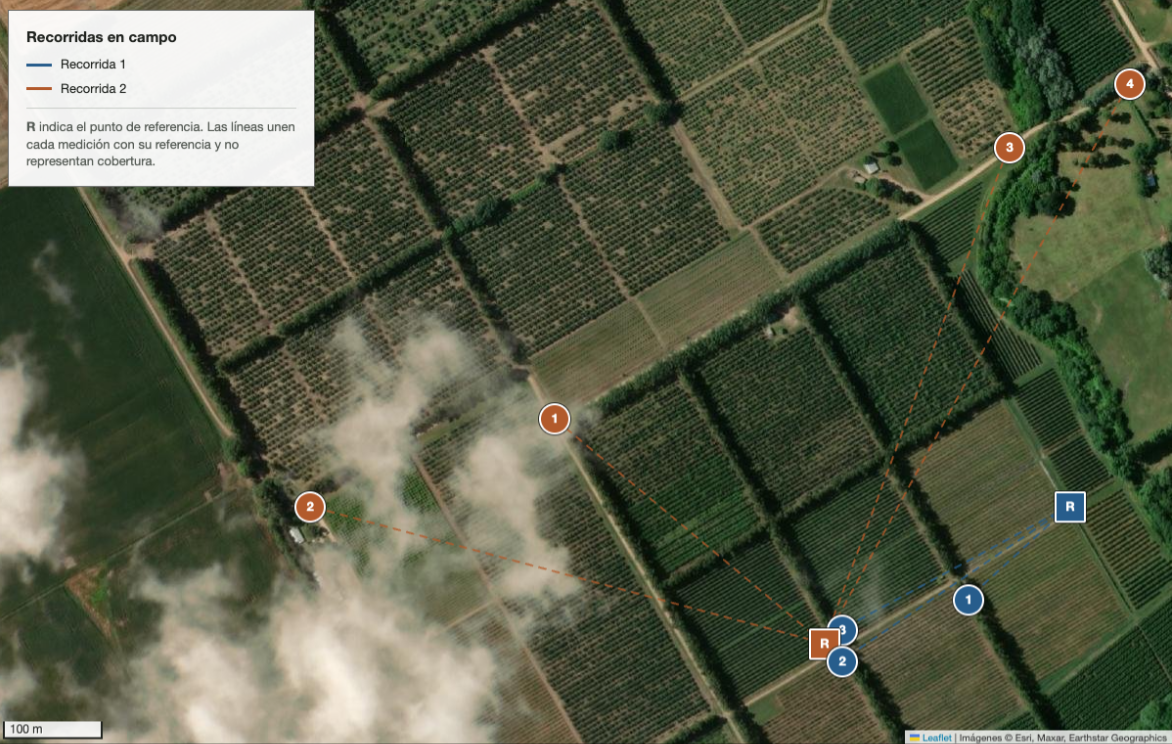
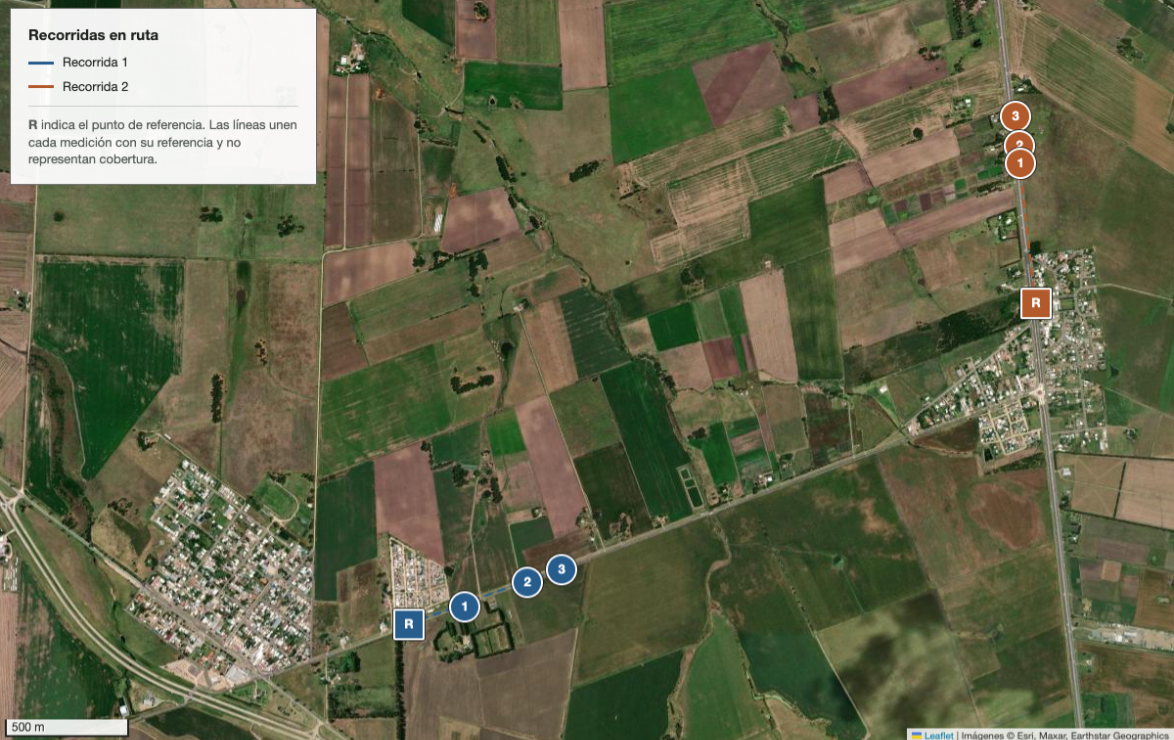
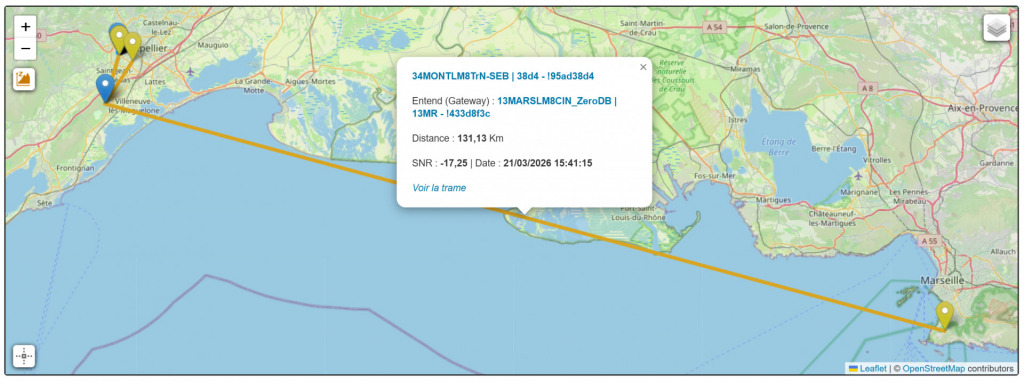
It is precisely in this context that it becomes interesting. For behind this unfinished approach lies real technical potential. The radio performance is particularly attractive, with a transmission power of up to 28 dBm , combined with the sensitivity provided by the KCT8103L RF front-end . In the field, this is clearly demonstrated: during my tests with an 8dBi antenna , an uplink was established over 130 km with a signal-to-noise ratio (SNR) of -17.25 , which remains perfectly usable in LoRa. This type of result clearly illustrates the node's ability to maintain long-distance communications under real-world conditions and clearly places it above many other nodes in terms of raw radio performance.

However, this node requires some choices. Powering it, especially with solar power, quickly reveals its limitations if a "plug and play" approach is used. The lack of advanced energy management necessitates a holistic approach to its integration, taking into account the specific usage context.

It is precisely from this perspective that I see the value of this tracker. Rather than considering it as a universal standalone device, I see it as a component to be integrated into a larger system . For my part, it will naturally find its place in my van, with a fixed power supply, where I can control the available energy and fully utilize its radio capabilities.

In this type of integration, its limitations become secondary, and its strengths take precedence: compactness, energy efficiency, and above all, radio performance. Ultimately, this node is a highly technical niche product, but a tool that reveals its full potential when used in an environment designed for it.

Heltec Wraps Up SCALE 2026

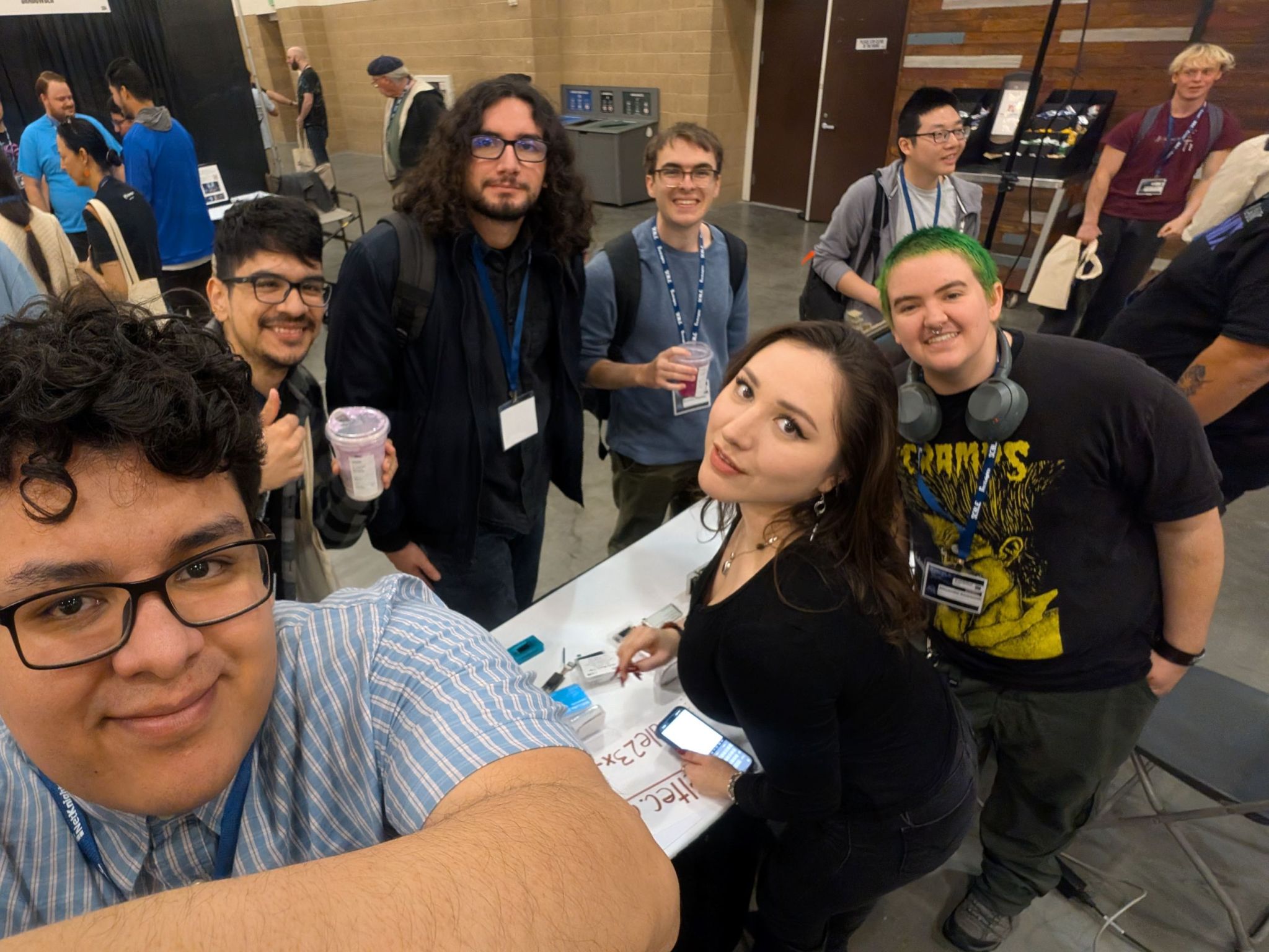
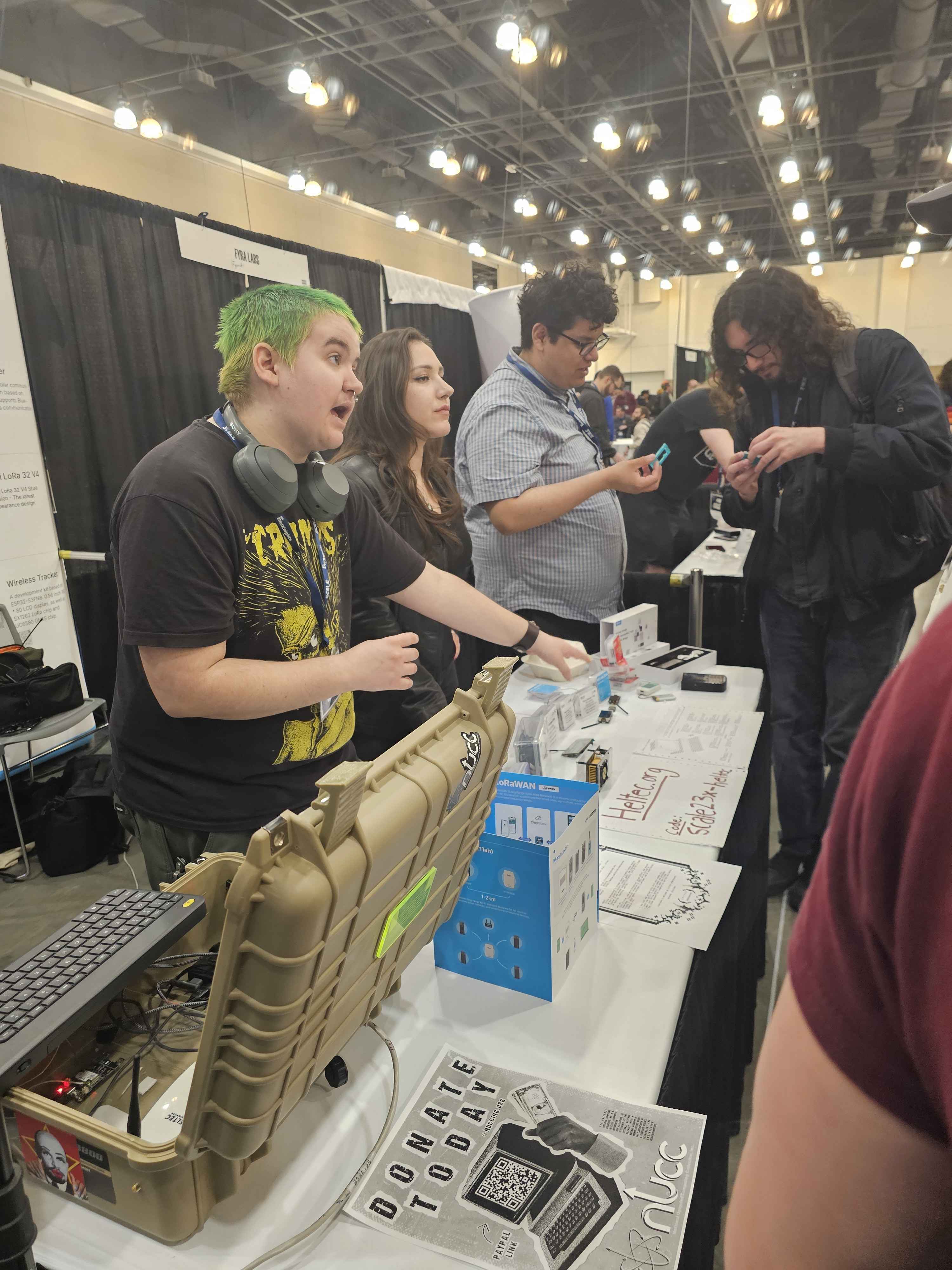
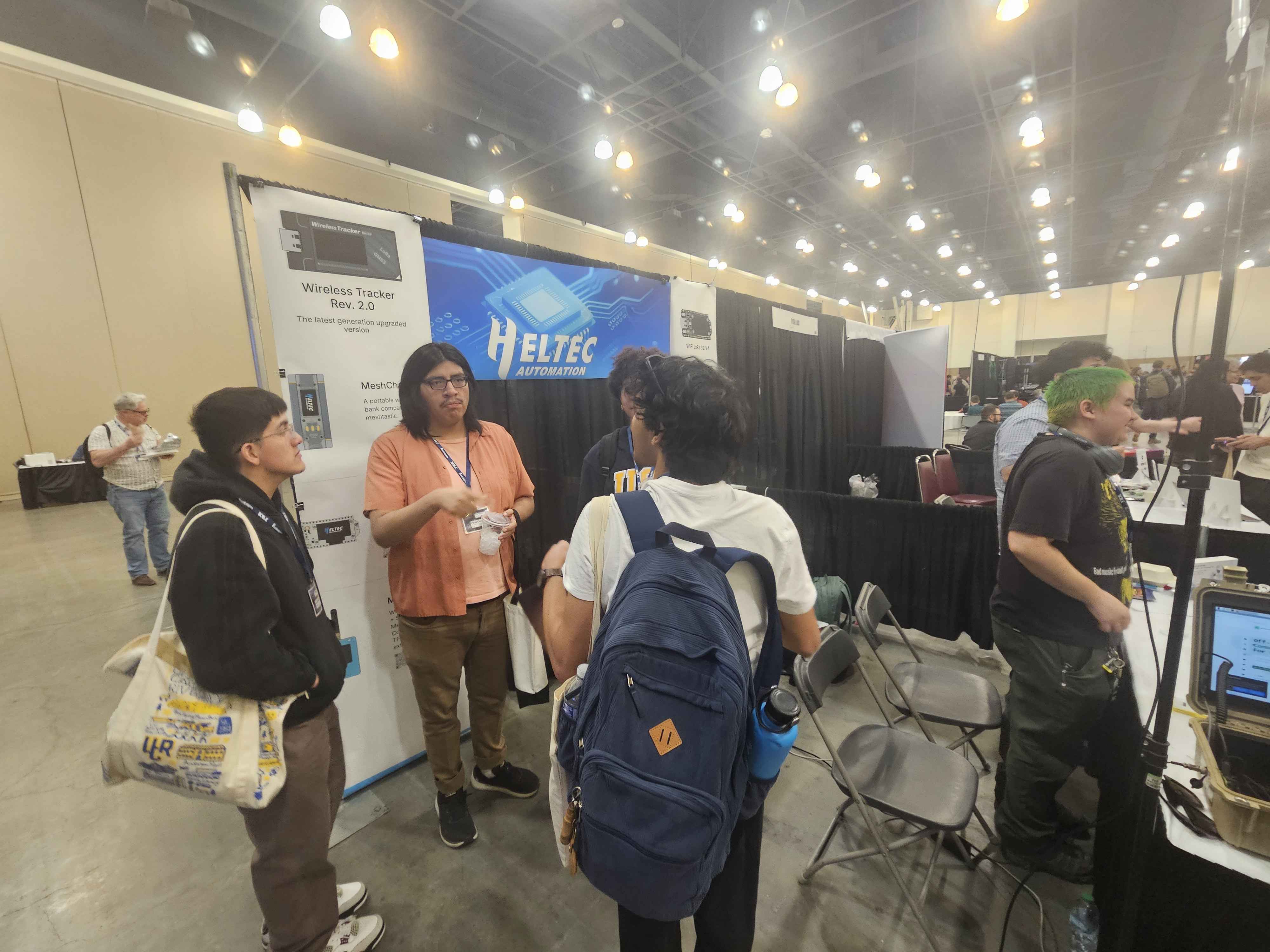
PASADENA, Calif., March 17, 2026 /PRNewswire/ -- Heltec, a global leading enterprise specializing in IoT and smart hardware, today announced the successful conclusion of its participation in the Southern California Linux Expo (SCALE), held in Pasadena, California, USA. With comprehensive on-site volunteer support from top university cybersecurity societies and professional industry organizations, Heltec showcased its complete matrix of core products at the event, delivering strong results in expanding brand influence, engaging with clients and industry peers, and building its technical reputation within the North American market. The company’s booth emerged as one of the most popular and highly visited attractions throughout the expo.

As a pivotal industry exchange platform in North America, SCALE centers on embedded technologies, IoT applications, and cybersecurity. The annual event brings together global industry vendors, technical experts, enterprise clients, and university research communities, serving as a core channel for technology implementation, business matchmaking, and cross-sector industry collaboration. During the expo, Heltec leveraged its dedicated booth to present a comprehensive display of its full portfolio, including embedded development hardware, LoRa communication modules, and IoT terminal devices, alongside tailored vertical industry solutions for industrial IoT, smart hardware development, and device security protection. The showcase fully demonstrated the company’s core competitive strengths in IoT hardware R&D, low-power communication technologies, and device security adaptation.

Notably, Heltec received professional volunteer on-site technical support from the Offensive Security Society (OSS), a student-led organization based at California State University, Fullerton (CSUF). As a student-run group focused on practical cybersecurity offensive and defensive techniques, technical knowledge sharing, and tech talent development, OSS follows a long-standing philosophy of hands-on technical learning. We actively promote cybersecurity culture across academic and industry circles through a wide range of initiatives, including educational workshops, industry competitions, and bug bounty programs.

Additional hands-on volunteer technical support was provided by Cyber@UCR, the official cybersecurity technical team affiliated with the University of California, Riverside (UCR). Committed to advancing knowledge sharing and technical research in the computer security field through hands-on competitive events and laboratory experimentation, the Cyber@UCR team delivered expert volunteer assistance for Heltec’s live product demonstrations, as well as professional consultation on embedded technologies and device security for attendees throughout the expo. This support helped the Heltec booth maintain the highest standards of professionalism and responsiveness in its on-site technical services.

In addition, volunteer support for exhibition content planning and promotional outreach was provided by the National Upcycled Computing Collective (NUCC), a professional organization dedicated to advancing computing and cybersecurity research and education. With core project layouts in distributed computing, fuzzing testing, hardware technology and robotic process automation, NUCC boasts extensive hands-on experience in industry event operation, having delivered professional workshops and training programs at top global cybersecurity events including DEF CON and SparkleCon, as well as running active technical communities across Southern California. Its volunteer team leveraged deep industry resources and event operation expertise to support Heltec’s exhibition planning and audience reach throughout the expo.

Further volunteer assistance with promotional coordination was provided by Nationstateactor, a leading industry platform focused on cutting-edge cybersecurity and hardware technology. This collaborative volunteer support significantly amplified the visibility of Heltec’s participation across the North American industry ecosystem.

As a leading global provider of IoT hardware and end-to-end solutions, Heltec remains steadfastly focused on addressing end-user needs through in-depth technology research and development, as well as market-oriented services. The company’s participation in SCALE not only delivered better-than-expected results in North American market expansion but also built valuable, long-term connections with North American academic communities and industry organizations.

Moving forward, Heltec will continue to deepen its cultivation of the North American market, delivering products and services tailored to the unique needs of local customers and developers. The company will continue to engage with academic and industry partners across the region.

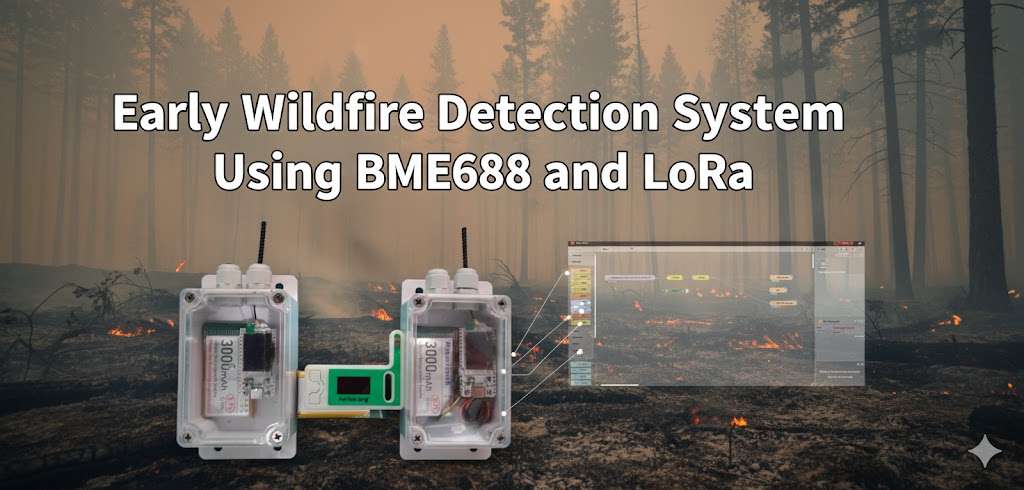
Early Wildfire Detection System Using BME688 and LoRa

image info

This project was created as a response to the recurring problem of wildfires in my country, Honduras. Every year, thousands of hectares are lost, and one of the most affected areas is La Tigra National Park. Beyond being a protected biodiversity zone, La Tigra is the main water source for the capital city, so early detection of fire activity is critical.

The project aims to show the viability of a low-cost LoRa-based mesh network capable of monitoring air quality in real time across forested areas. The goal is to detect the early signs of a fire before it becomes large enough to cause irreversible damage.

The idea began with an earlier prototype based on an RP2040, an RTC module, traditional LoRa point-to-point communication, and a Sharp GP2Y smoke sensor. The prototype demonstrated that early smoke detection was possible, but it lacked the characteristics needed for a real deployment: energy efficiency, long communication range, and mesh networking. This led to the new design using the Heltec V3 and the BME688 sensor, which better fits the requirements of a forest-scale deployment. image info

Preparation

Below is the list of items required for the project, with the exact quantities used and the purchase links for replication.

Heltec LoRa WiFi V3 (3-pack)
https://www.amazon.com/dp/B0DMN28TRW

BME688 gas sensor modules
https://www.amazon.com/dp/B0BZ76H645

3000 mAh lithium batteries
https://www.amazon.com/dp/B0D3LP6F8G

SONOFF IP66 waterproof case
https://sonoff.tech/products/sonoff-ip66-waterproof-case

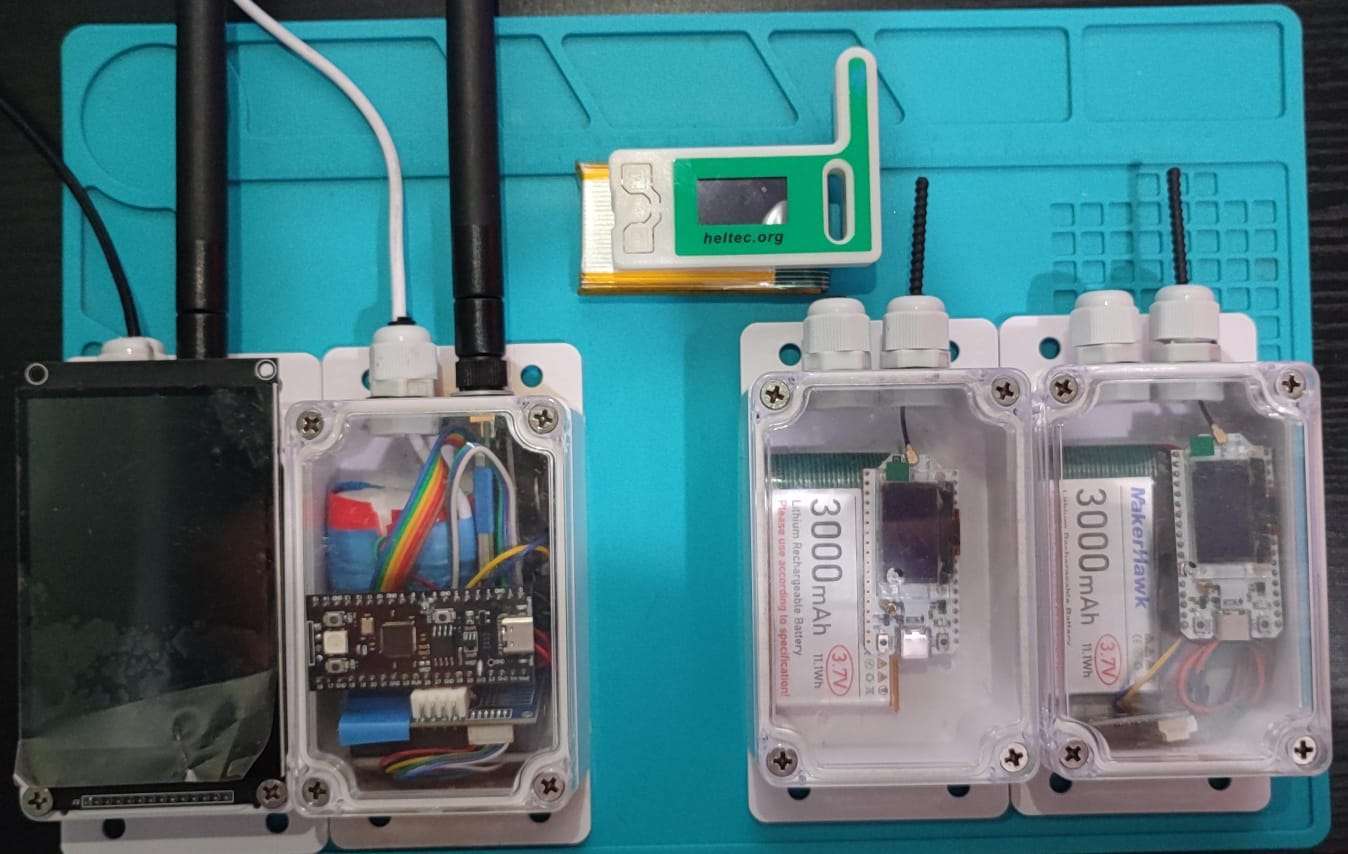
Deployment used:
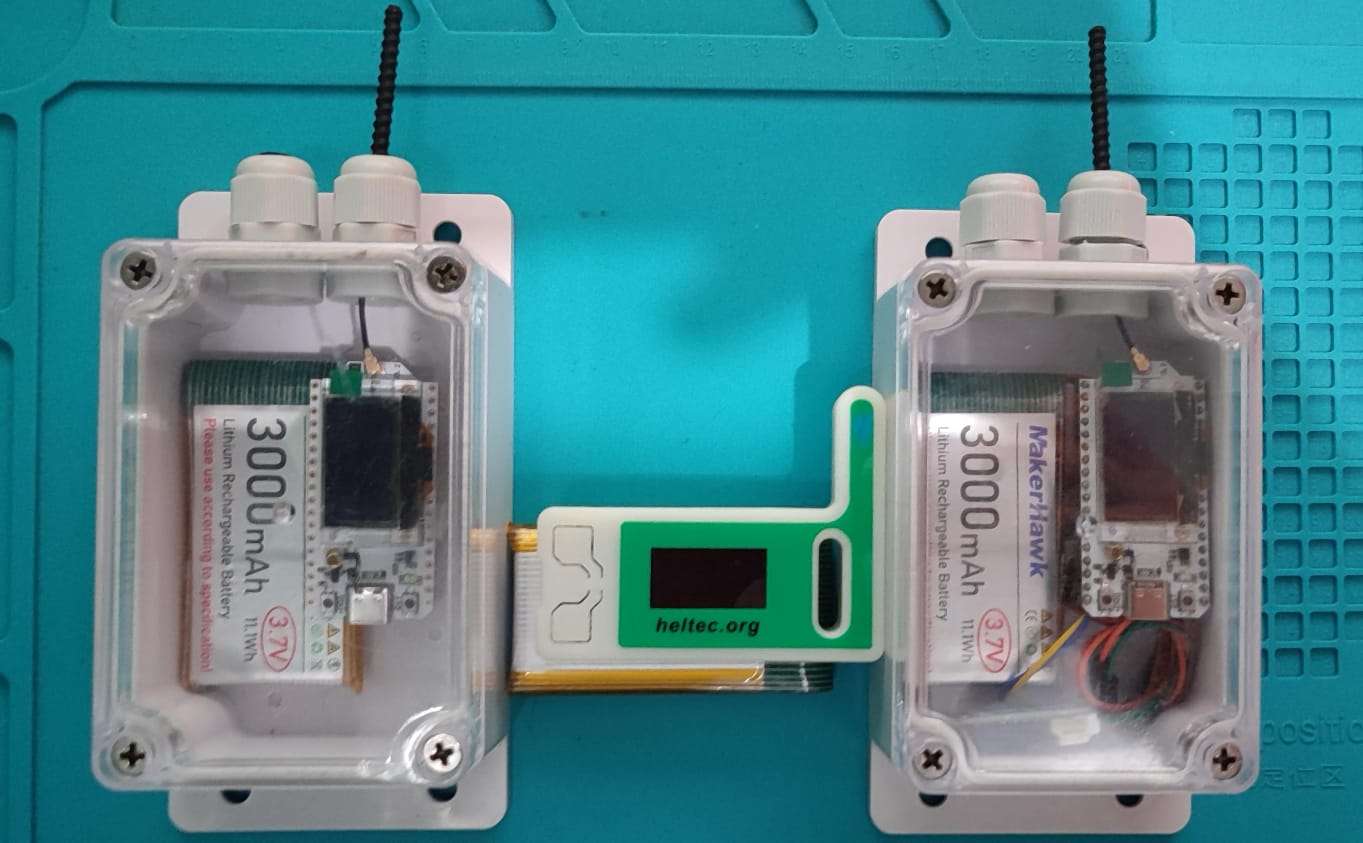
1x Heltec V3 Sensor Node
1x Heltec V3 Router
1x Heltec V3 Gateway

Implementation process

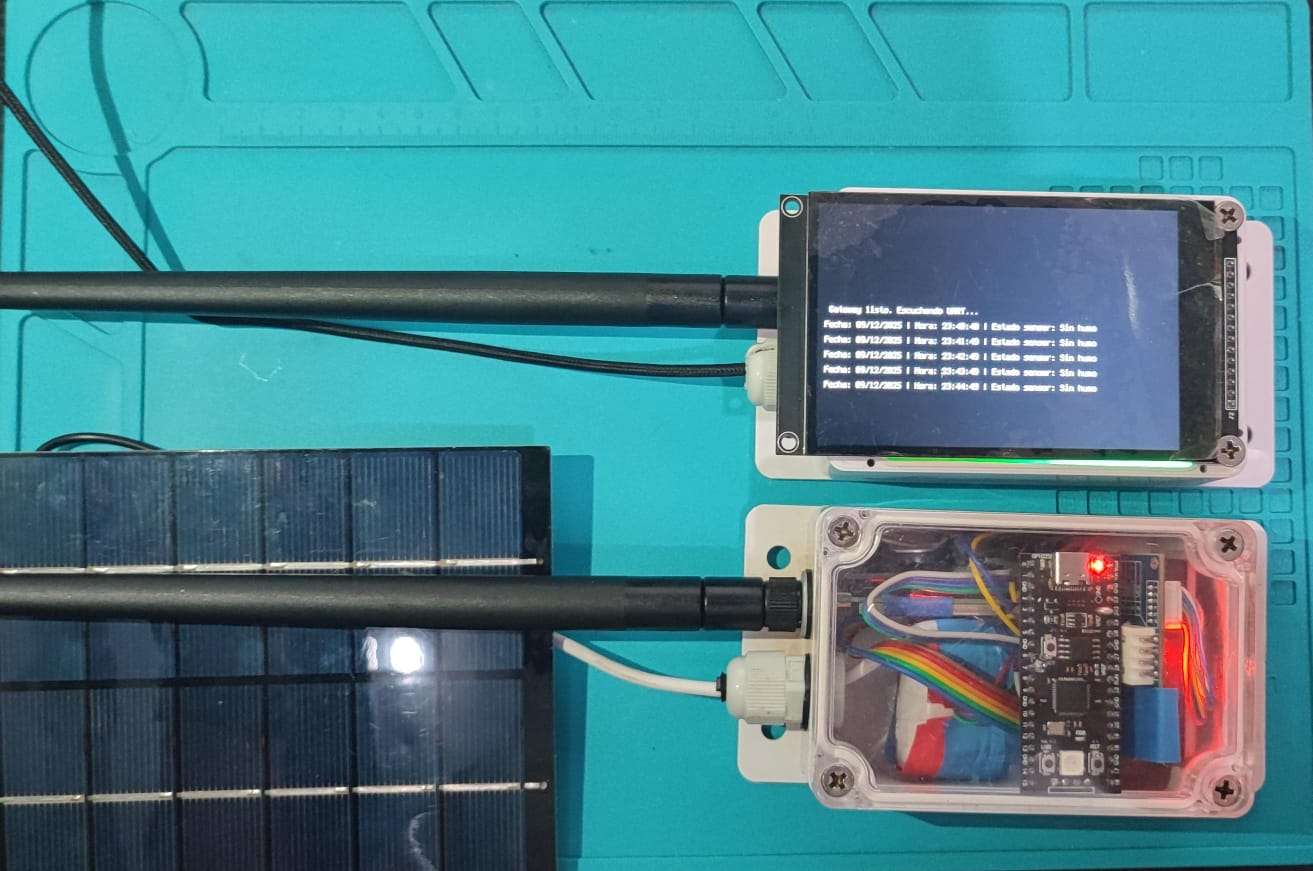
The project uses one Heltec V3 configured as a sensor node, another as a router, and a third as the receiving gateway. Meshtastic version 2.5.4.8d288d5 was used for the sensor node because it allows shorter telemetry intervals required for this application.

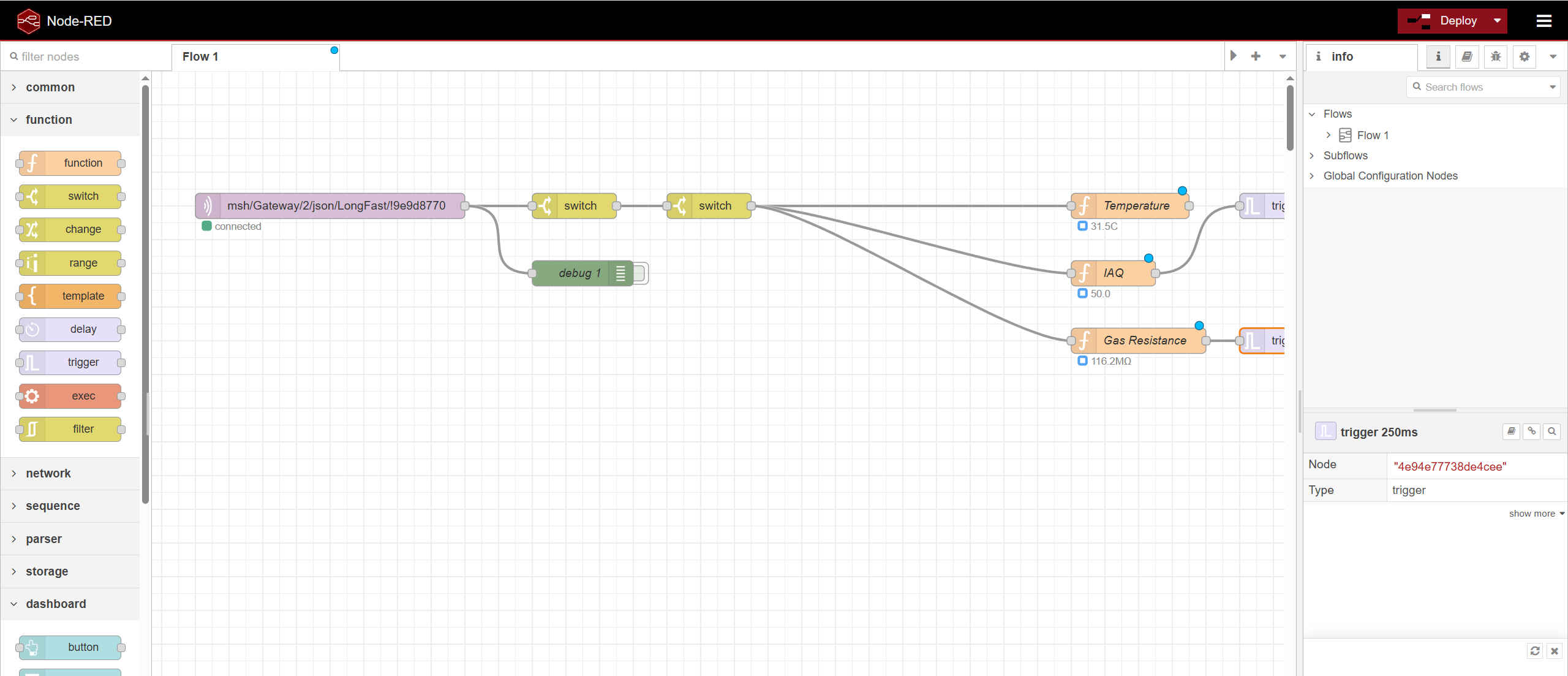
The BME688 sensor is read by the sensor node using the Meshtastic I²C direction pins (GPIO 41 for SDA and GPIO 42 for SCL). The sensor node transmits telemetry over LoRa. The router relays the packets deeper into the mesh, and the gateway node forwards the packets to a local Mosquitto MQTT server. Node-RED processes the incoming data.

Two improvements are proposed for future versions, and these are optional approaches:

Modify Meshtastic firmware to support a pretrained BSEC model on the BME688, trained on clean air and smoke.

Add a secondary microcontroller dedicated to smoke detection logic, sending only the relevant alerts to the V3 via UART.

A third proposal is to replace Meshtastic entirely across the entire system. This would allow the use of a very low-power custom firmware and a communication strategy focused strictly on meeting long-term energy requirements, rather than depending on Meshtastic’s operational model.

Below are the measured average current consumption values:

Router node:
Standby: 11.1 mA
Window after data reception (every 1–3 seconds): approximately 130 mA
During active packet reception: 174 mA

Sensor node:
Standby: 98 mA
During LoRa transmission: 170 mA

All measurements were taken using default Meshtastic roles without deep firmware modifications.

image info image info

Finished project showcase / Summary

Although the system is still under development, The current implementation demonstrates that BME688 gas measurements, can be transmitted through a local LoRa mesh, and forwards the data to an MQTT server for processing. Although the current implementation is simple, it demonstrates that a distributed private mesh can operate reliably in forest environments to support early detection of fire activity.

The main areas for future improvement include:

Replacing the default Heltec antennas with higher-performance long-range models suitable for forest terrain.

Replacing the Heltec V3 with the Mesh Node T114, which offers significantly better energy efficiency and direct solar-panel support.

Implementing intelligent smoke-detection logic using either a modified Meshtastic firmware or independent microcontroller firmware.

A watchdog-like mechanism that detects silent nodes and automatically triggers a fallback alert if communication is lost.

The Node-RED flow is expected to provide visualization of system states, warnings, and alarms, helping users understand environmental changes in real time and act if needed.

The project shows that early wildfire detection using low-cost mesh networks is achievable and practical. With further optimization and better energy management, these systems can be deployed across large protected areas to help prevent major environmental losses.

image info